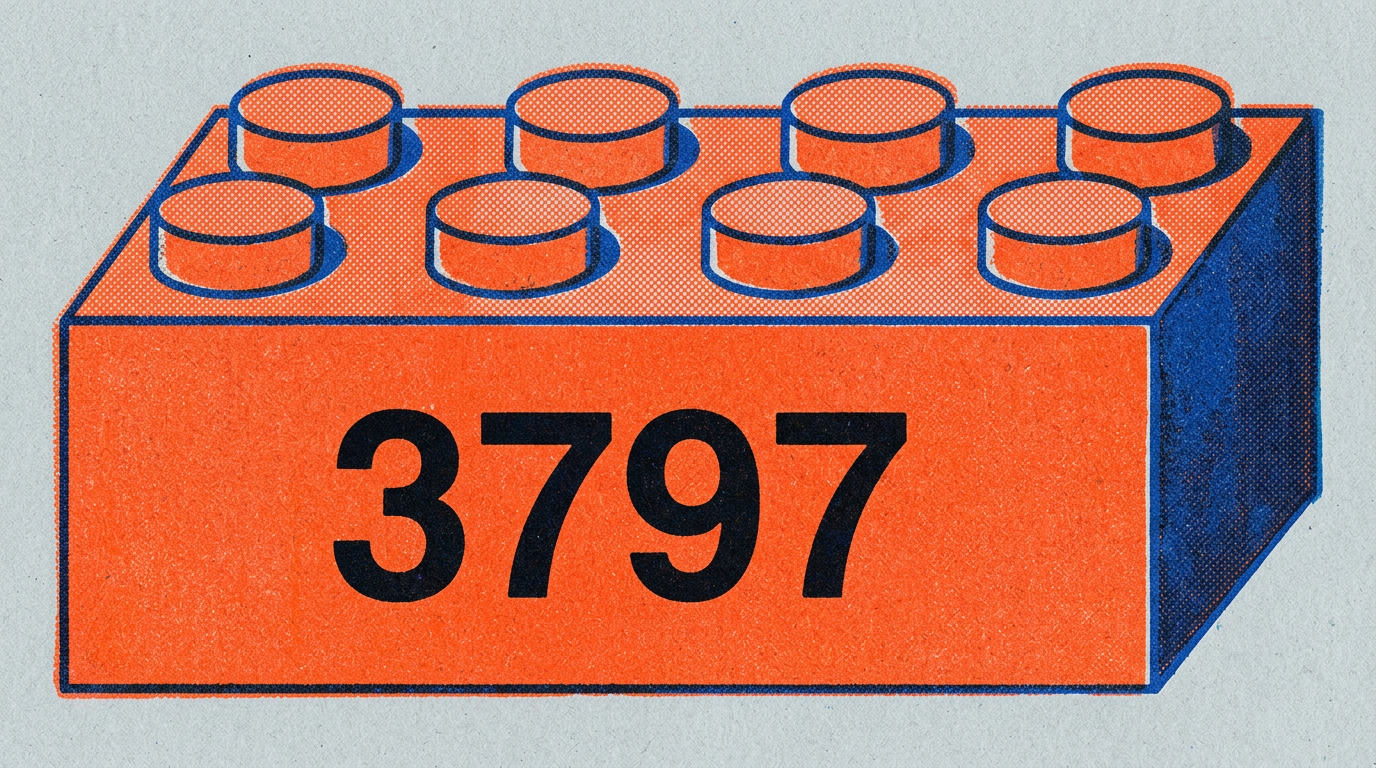
AI Doesn't Read Words. It Reads LEGO Bricks With Numbers
A token is a LEGO brick with a number on it, and almost none of the math that moves it is new.
A token is a LEGO brick with a number on it, and almost none of the math that moves it is new.
Sixty years of fictional and real conversational machines, and one throughline: the dystopian version is always easier to imagine than the protopian one, and that says more about us than about the machines.

Cut one small religion from a model's training data and you leave a gap no one can see from inside. Cut the two biggest and you change what the model can explain at all.
Between the hallucination warnings and the governance panic, it's easy to forget a generative model is also just a fun tool to mess around with. Five vanity websites, built on a whim, and what they actually taught.
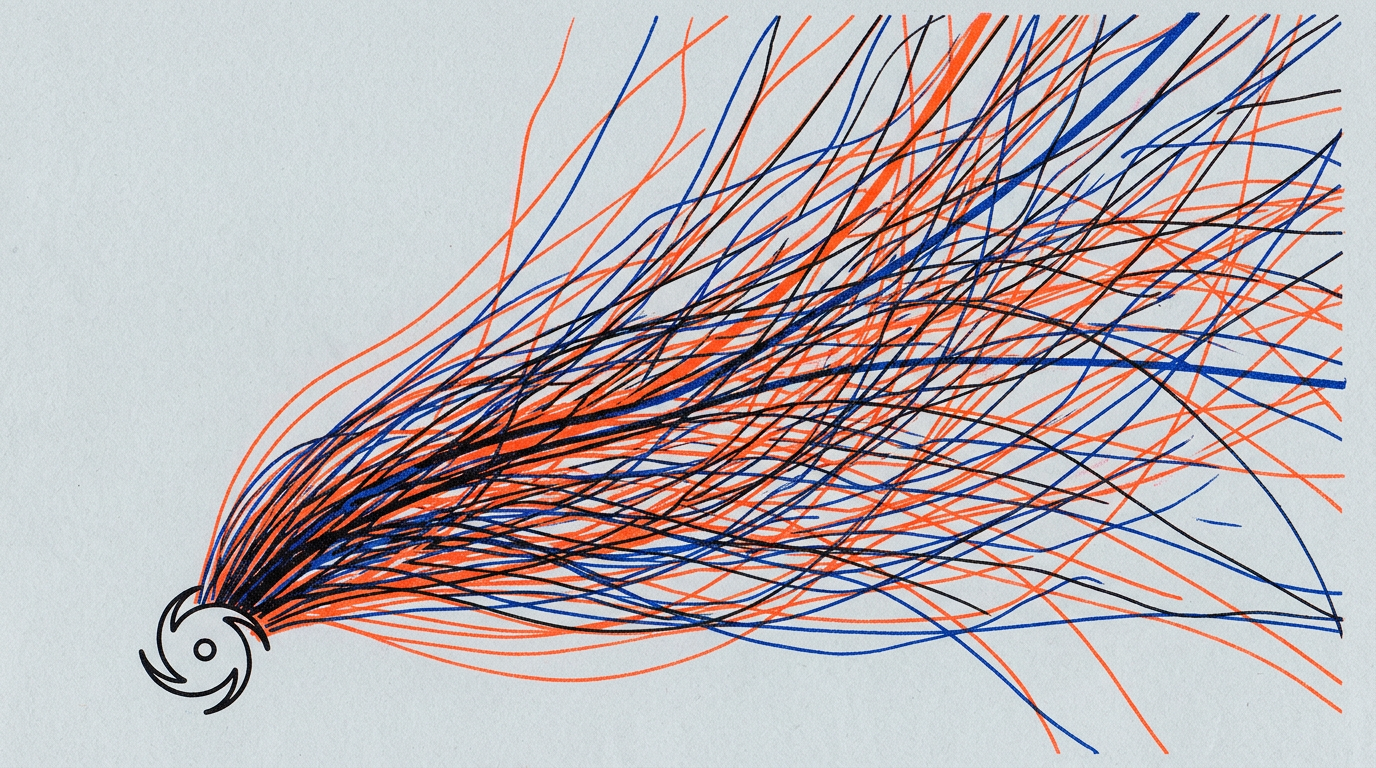
Hurricane forecasts improved for decades and never became perfect. Chaos and quantum uncertainty cap any predictor, so AI quality levels off while use keeps spreading.
A Polish psychiatrist named the process by which conscienceless people capture institutions. AI agents fit the profile — and alignment is separation of powers.

More GPUs will not wake a language model up. A map cannot feel rain, and a mirror has nothing to lose. Feeling came from bodies that could die.
A skill is a saved set of rules an AI model loads when the topic fits. They take ten minutes to build and end the constant re-explaining.
Copying a process built from words got a thousand times cheaper in three years, and a patent takes two. The defenses that remain are made of atoms, permission, and attention.
The consensus name is wrong by one word. On the difference between a financialization bubble and a technology, and why only one of them pops.